
"volatile aromatics"
500 article(s) found

Explain the grinding equipment of coffee beans: bean grinder
Many people would rather spend a lot of money on other coffee-making utensils than configure a better grinder. In fact, the size of the ground particles

Talk to coffee champion Lim Dong-Won: what does it take to be a barista?
Professional baristas Please follow the Coffee Workshop (Wechat official account cafe_style) the coffee market in Taiwan has reached a peak because of its low price and convenience, but at a time when consumption habits are gradually infiltrating the bottom, the taste culture of coffee does not necessarily grow on a par with each other. Lim Dong-Won, one of the vanguards promoted by Taiwan's coffee culture.

Coffee packaging technology
The packaging characteristics of coffee and tea also have many similarities, such as preventing aroma from escaping, preventing moisture absorption and so on. The refreshing and stimulating nature of coffee has made it one of the most popular pastimes in the world. Coffee packaging requires coffee to be divided into ordinary coffee (ground, roasted) and instant coffee made of spray, freeze-drying and so on. Regular coffee is coming in.

Introduction to the use of video tutorials on the principle of siphon pot brewing coffee
The siphon coffee maker always has a hint of mystery in most people's impression. In the history of coffee development in Taiwan, the siphon coffee pot has played an important role. In recent years, the so-called grind coffee (espresso espresso) is very popular, compared with this kind of siphon coffee maker.

Siphon pot grindability water powder ratio-Starbucks siphon pot coffee like
Siphon pot grind water powder ratio-Starbucks siphon pot coffee is like, find a few usually baby milk powder cans, do not pour out after the coffee bag is opened, directly clip the seal with a sealing clip, and then stand up and put it in the milk powder can. the preservation effect is quite good! Of course, it is also suitable for sealed cans, but it is recommended that large sealed cans can fit into coffee bags, if
The source of coffee, the method of making and blending coffee, and matters needing attention.
Coffee is the transliteration of English Coffee. It is a drink made from roasted coffee beans, ground into powder and then brewed. (1) A brief introduction to Coffee 1. The origin of coffee Coffee originated in Ethiopia in Africa. There are many theories about discovering it, among which a legend accepted by most people is that about 3000 years ago, a shepherd saw the sheep he was herding ate a kind of nameless food.

Coffee Learning: the Secret of balancing Coffee Fat and Taste
Espresso has mellow and rich multi-level flavor, and oil is almost the most prominent feature that distinguishes espresso from drip filtration and hand-brewed coffee. this paper explains in detail the composition and structure of oil and the influence of chemical and physical changes in espresso on coffee flavor. The composition of coffee oil (Crema) is

The origin of coffee, the method of making and blending coffee, and pay attention to the details.
Coffee is the transliteration of English Coffee. It is a drink made from roasted coffee beans, ground into powder and then brewed. (1) A brief introduction to Coffee 1. The origin of coffee Coffee originated in Ethiopia in Africa. There are many theories about discovering it, among which a legend accepted by most people is that about 3000 years ago, a shepherd saw the sheep he was herding ate a kind of nameless food.

Instant coffee many additives do not drink instant coffee
Three-in-one instant coffee or canned seasoned coffee is not so much instant coffee as chemical coffee, the content is almost artificial sweet, synthetic oil! The first is essence: from the production process of instant coffee, instant coffee is produced by drying after extracting active ingredients from roasted coffee beans. In this process, some aromatic substances will inevitably be lost and the finished product will be lost.
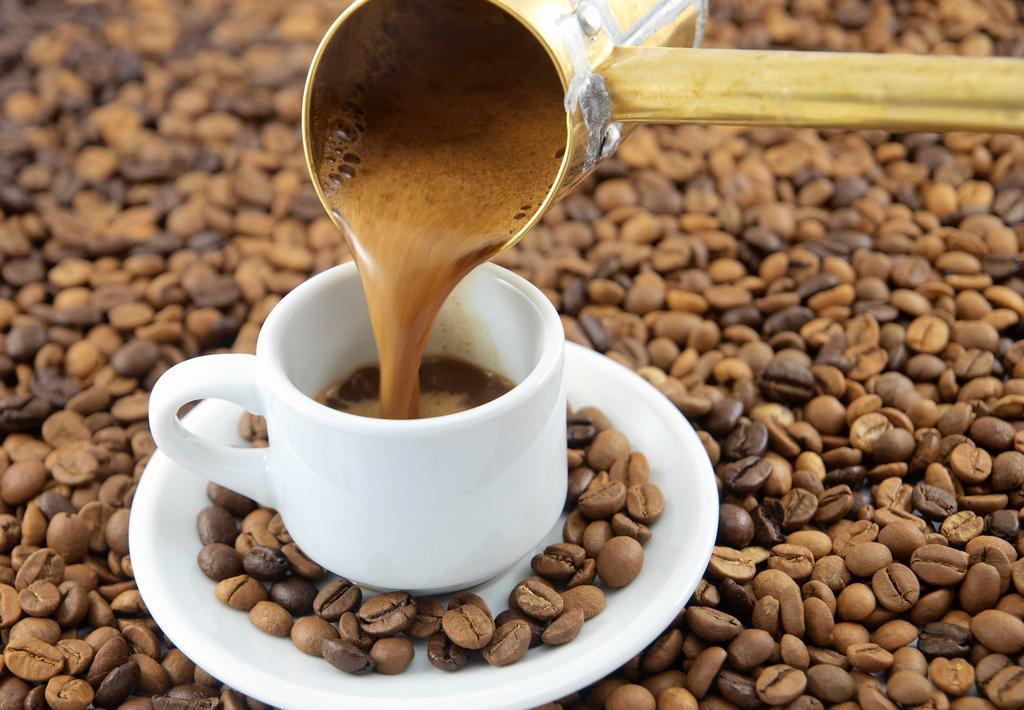
The advantages of Coffee the disadvantages of Coffee and weight loss Coffee and calorie Coffee
Coffee tannin: the boiled tannin will decompose into pyrouric acid, so the coffee that has been brewed for too long will taste worse. Fat: the most important ones are acid fat and volatile fat. Acidic fat: that is, fat contains acid, its strength will vary according to the type of coffee. Volatile fat: is the main source of coffee aroma, it is a kind of aroma will emit about 40 kinds of aromatic substances.
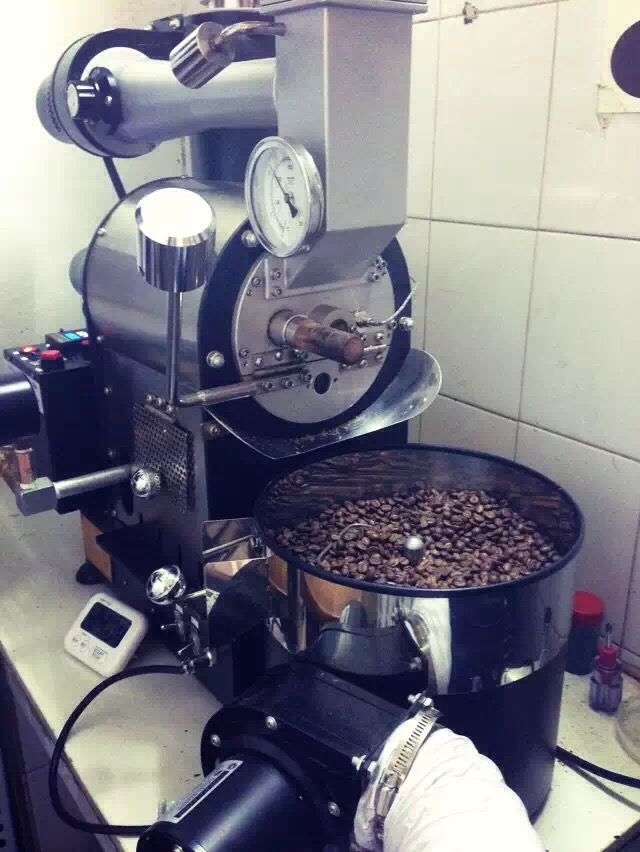
Briefly introduce the purpose and method of baking.
Generally speaking, each coffee cherry contains two raw beans, and the fragrance is still hidden, waiting to be discovered. In raw beans, it contains a lot of chloric acid. As the baking process, chloric acid will gradually disappear, releasing familiar and pleasant fruit acid-such as acetic acid, citric acid, malic acid in wine. Baking is just right to present these beautiful sour tastes in moderation; vice versa

Introduction to the use of siphon grinding powder for hand-brewed coffee pot
Introduction to the use of hand coffee pot siphon grinding powder the approximate time for hand brewing coffee will be 2 minutes, 30 minutes and 45 seconds. Many coffee makers in Japan like to brew more than 4 minutes, while the water temperature is about 90 degrees Celsius. If the water temperature is lower or thicker, the brewing time will be prolonged. The extraction time of the siphon coffee pot is at least 2 minutes shorter than that of the hand.

The harm of instant coffee the production process of instant coffee
The first is essence: it starts with the production process of instant coffee. Instant coffee is produced by drying after extracting active ingredients from roasted coffee beans. In this process, some aromatic substances will inevitably be lost, so that the flavor and taste of the finished product is not as rich and pure as that of directly roasted coffee. The production process is generally as follows: pretreatment, roasting, grinding, extraction, concentration and drying, in which the pretreatment is

Roasting of coffee beans determines coffee taste
Generally, each coffee cherry contains two green beans, and the aroma is still hidden, waiting to be discovered. In raw beans, there is a lot of chloric acid. As it bakes, the chloric acid disappears, releasing familiar and pleasant fruit acids such as acetic acid, citric acid, and malic acid found in wine. Baked properly, these beautiful sour taste can be moderately presented; conversely,

How do beginners taste coffee flavor coffee taste and description just follow me
Professional coffee knowledge exchange more coffee bean information please follow the coffee workshop (Wechat official account cafe_style) front street-coffee tasting steps introduction tasting coffee overall flavor can be summarized into six steps. The first step: grind coffee beans to enjoy the dry aroma and taste the flavor of the first step, when starting from grinding coffee beans. Coffee beans release a large amount of volatile aromatics when they are ground.
Novice hand brewing coffee beans are recommended, the operation process of hand brewing coffee is introduced, and how to taste the basic knowledge of hand brewing coffee.
What is coffee made by hand? Hand-brewed coffee refers to hand-brewed coffee, also known as drip-filtered coffee, which was invented by the German Mrs. MelittaBentz in 1908. In order to promote this new method of coffee extraction to the outside world, Mrs. Melitta is also here.
The taste of coffee is determined by roasting.
Generally speaking, each coffee cherry contains two raw beans, and the fragrance is still hidden, waiting to be discovered. In raw beans, it contains a lot of chloric acid. As the baking process, chloric acid will gradually disappear, releasing familiar and pleasant fruit acid-such as acetic acid, citric acid, malic acid in wine. Baking is just right, it can present these beautiful sour taste moderately; on the contrary,

Coffee roasting curve-Starbucks roasting curve HD map
Coffee roasting curve-Starbucks roasting curve HD map with the continuous absorption of heat, more and more volatile gases (mainly water vapor) accumulate in the coffee beans, which causes the internal pressure in the beans to far exceed the external atmospheric pressure, even reaching 25 atmospheric pressure (2533 kPa). Such a high internal pressure accumulation, like a small bomb, is finally enough to tear the raw coffee bean structure.

Roasting determines the light taste of coffee.
Generally speaking, each coffee cherry contains two raw beans, and the fragrance is still hidden, waiting to be discovered. In raw beans, it contains a lot of chloric acid. As the baking process, chloric acid will gradually disappear, releasing familiar and pleasant fruit acid-such as acetic acid, citric acid, malic acid in wine. Baking is just right, it can present these beautiful sour taste moderately; on the contrary,
What are the chemicals in raw coffee beans? what are the main ingredients of coffee?
Coffee beans are strong, green seeds. 50% of the ingredients are different forms of carbohydrates, and the other 50% are made up of water, proteins, lipids, acids, and various biological bases. Coffee roasters can bake good coffee without knowing the many chemicals in raw beans, but knowing them will help to judge the nature of coffee beans.